
Last updated November 2, 2026
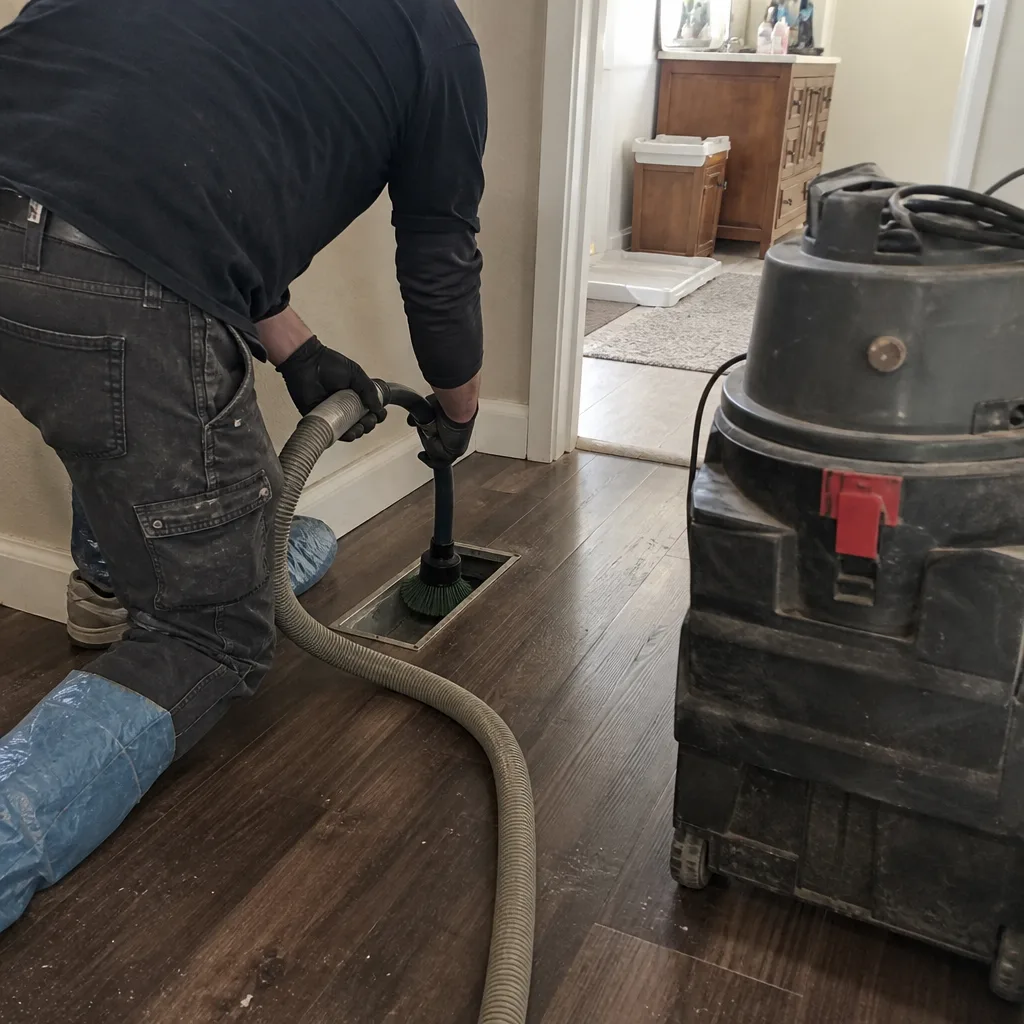
 Whole-home duct cleaning
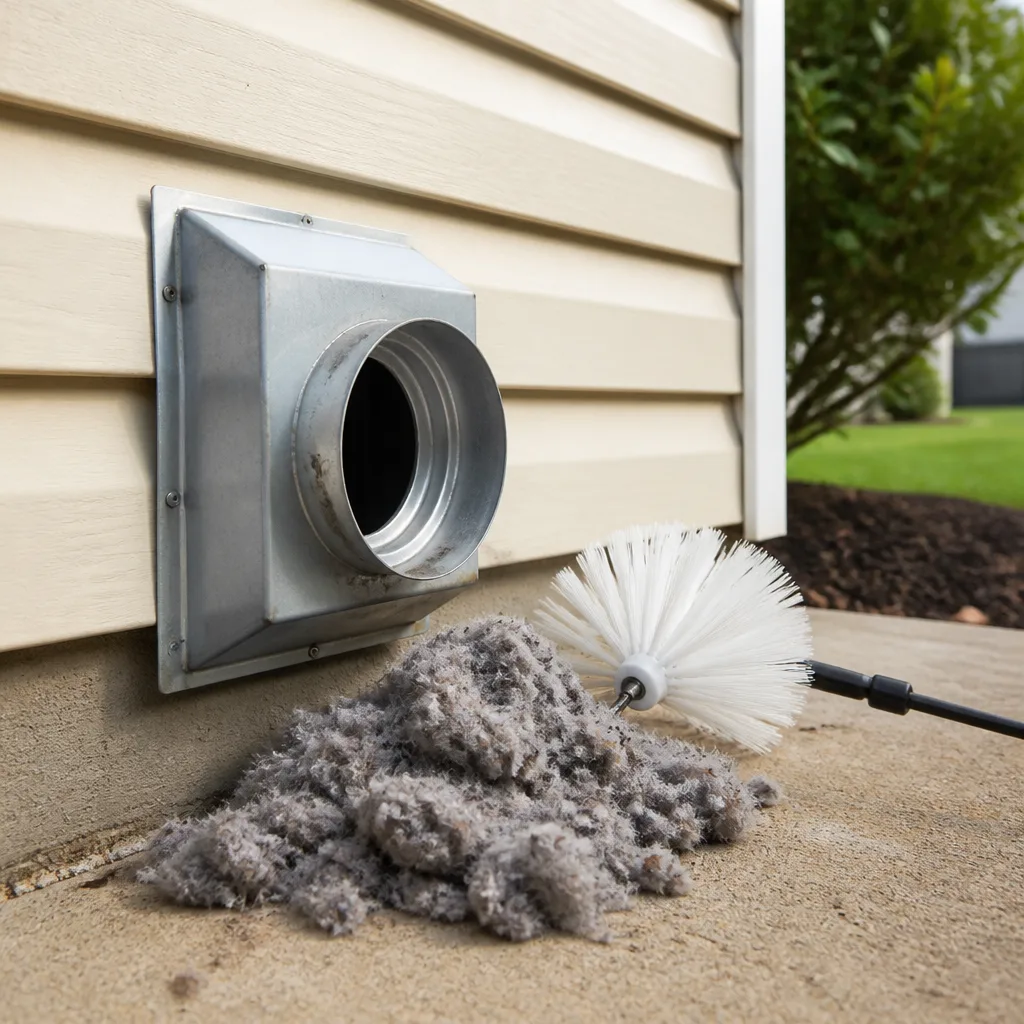 Dryer vent cleaning
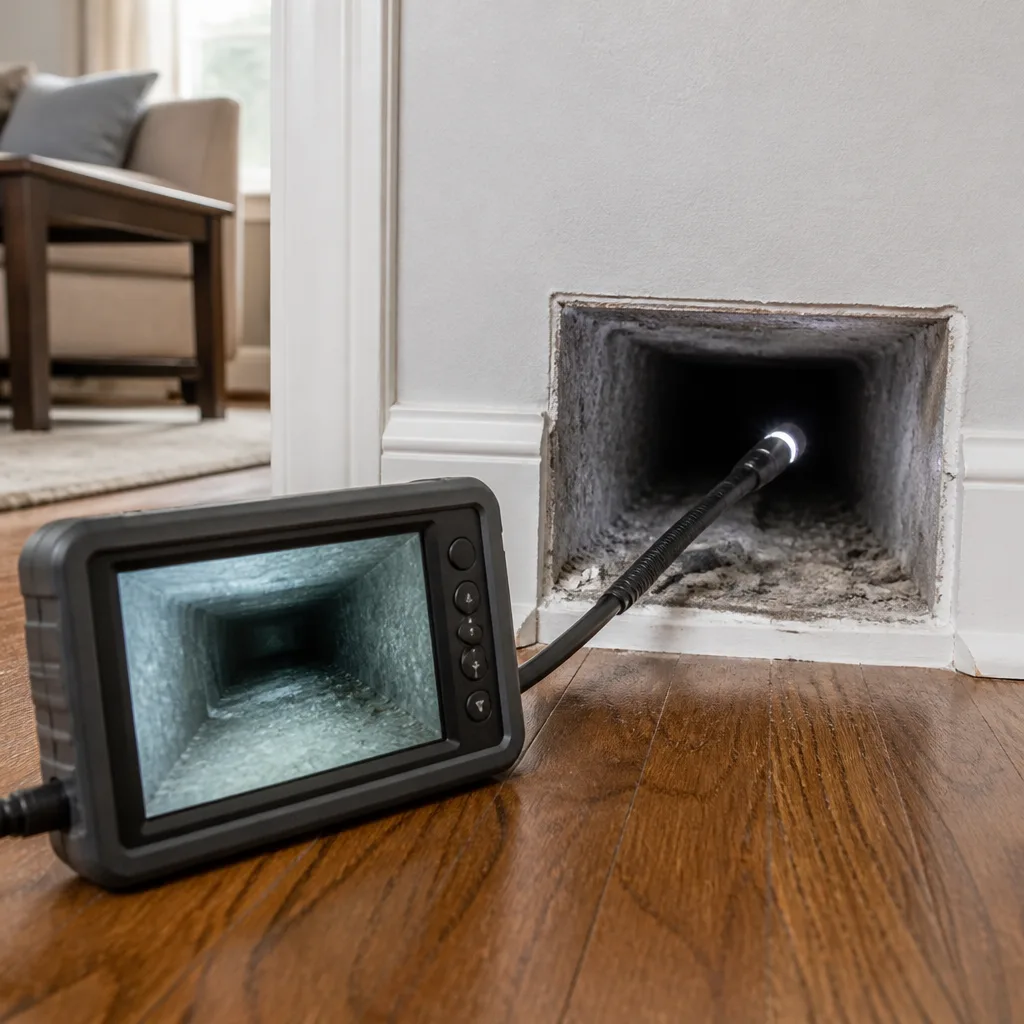 Camera inspection
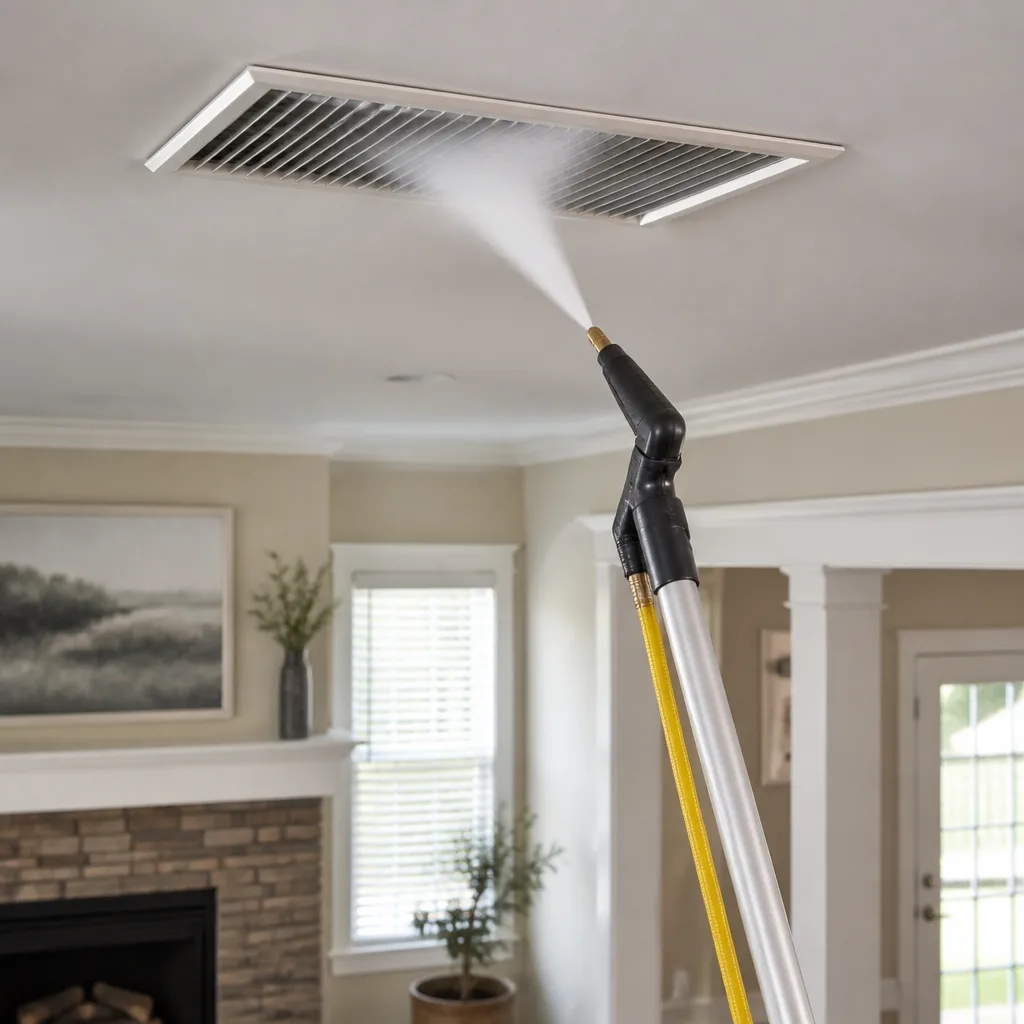 Sanitizing & deodorizing
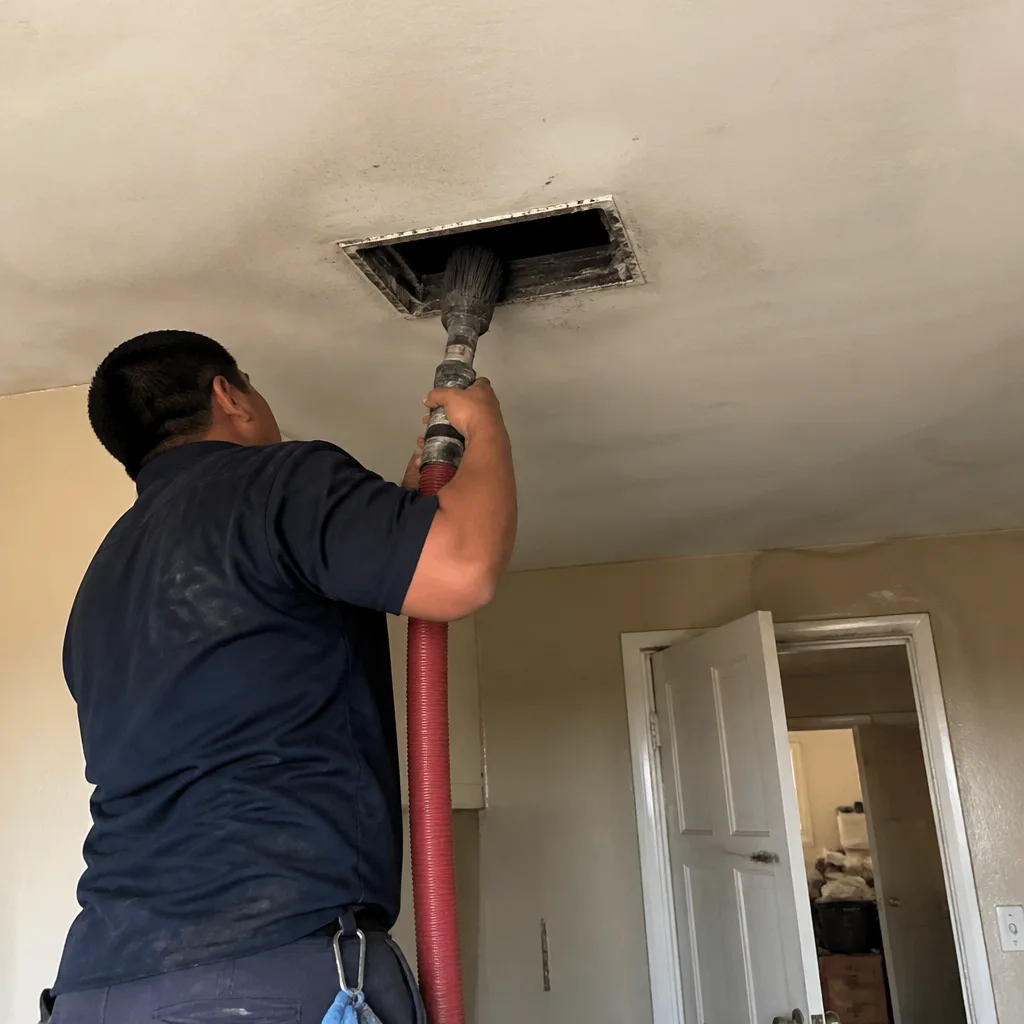
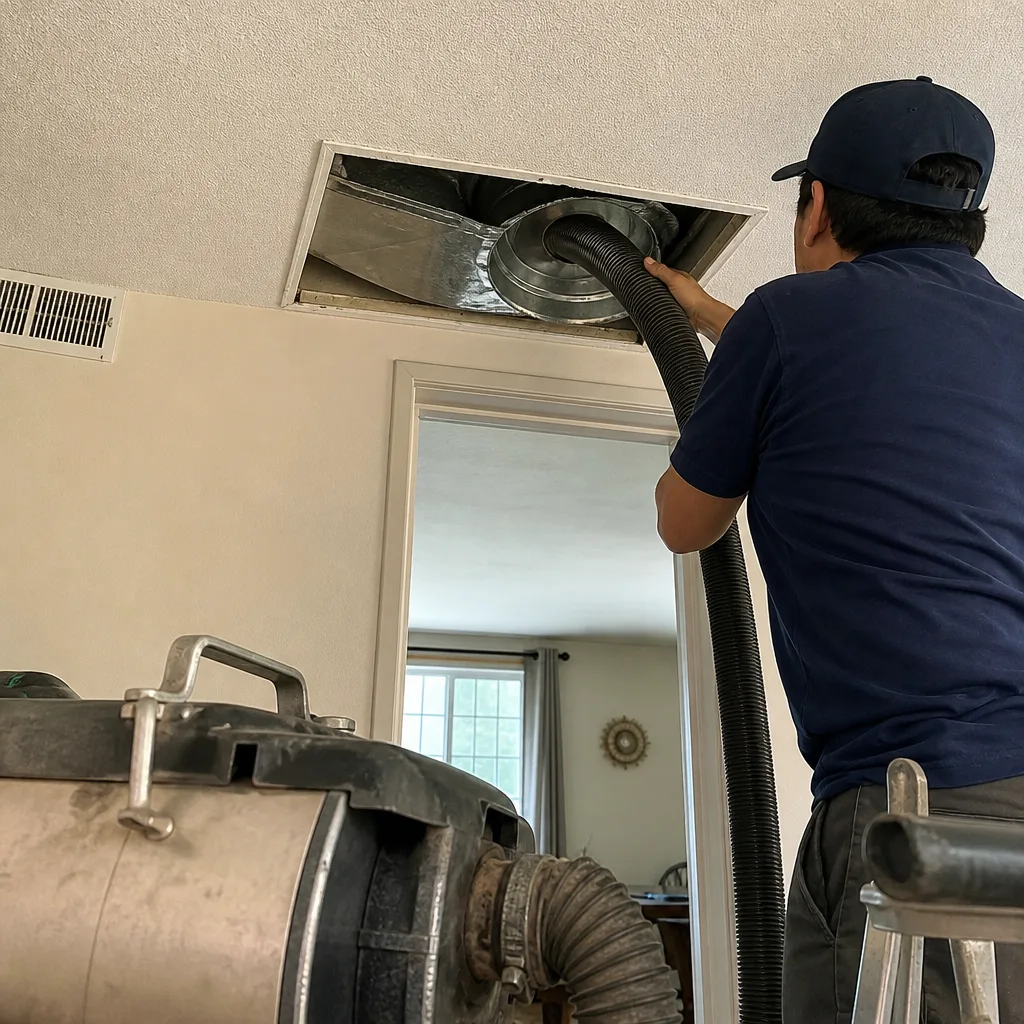
Whole-system duct and dryer vent check with before-and-after photos - you see exactly what came out of your vents
That "$99 whole-house special" is a bait ad - the real number appears once they are in your hallway, or the "clean" is a shop-vac at the register. We photograph the inside of your ducts before and after instead.
Air Duct Cleaning Permits, Codes & Inspections in CA: What You Need to Know
A duct cleaning job that uncovers a collapsed flex duct section and “fixes it while we’re in there” without a permit isn’t a bonus. It’s an unpermitted mechanical alteration that can flag during a real estate transaction in Monterey Park, costing the seller thousands in retroactive permit fees, inspections, and sometimes full system corrections. Most California homeowners don’t know where routine maintenance ends and regulated mechanical work begins. This guide draws that line precisely, using the California Mechanical Code, Title 24, and Monterey Park’s building department practices so you know exactly what your contractor should document, what requires a permit, and what doesn’t.
Quick Answer
Air duct cleaning itself does not require a permit anywhere in California, including Monterey Park. Cleaning is classified as maintenance. However, if the contractor repairs, replaces, modifies, or seals duct sections as part of the job, California Mechanical Code Section 105 and Title 24 can trigger permit requirements, especially when the repair involves structural changes to the duct system. The line is simple: cleaning and inspection require no permit; repair or replacement of duct sections may require one.
Styles & brands we work with
- Whole-home duct cleaning
- Dryer vent cleaning
- Camera inspection
- Sanitizing & deodorizing
Table of Contents
- Cleaning vs. Repair: Where the Permit Line Actually Sits
- What the California Mechanical Code Says About Duct Work
- Monterey Park Building Department: How Permits Work in Practice
- After-the-Fact Permits for Duct Work: Cost and Process
- Duct Sealing, Mastic, and Foil Tape: When It’s Exempt
- Title 24 Duct Leakage Testing and How Cleaning Interacts With It
- Documentation That Protects You: What to Get in Writing
- Common Mistakes to Avoid
- When to Call a Professional
- Frequently Asked Questions
Cleaning vs. Repair: Where the Permit Line Actually Sits
Air duct cleaning in California is a maintenance activity. Technicians insert agitation devices and high-powered vacuum collection systems into the ductwork, dislodge accumulated dust and debris, and extract it. The ducts themselves are not altered, cut, removed, or replaced. No permit applies to this work under either the California Mechanical Code or Monterey Park municipal code.
The legal picture changes the moment a contractor identifies damage that requires correction. A collapsed flex duct in a Monterey Park attic, a separated joint in a rigid metal trunk line, or a crushed return air plenum cannot be fixed with a brush and vacuum. Correcting these conditions means removing a section and installing a replacement, or mechanically reconnecting and sealing separated components. That is repair, and under California Mechanical Code Section 105.1, mechanical work including duct system repair and replacement requires a permit when the work extends beyond routine maintenance.
Here is the practical distinction we use on every job:
- Cleaning and inspection: No permit. Includes visual inspection, brushing, vacuuming, access through existing openings, and photographic documentation.
- Minor reconnection: Typically no permit when the fix is limited to reattaching an existing duct section that has simply slipped off a boot. This is a mechanical reconnection of existing components, not an alteration.
- Section replacement: Permit may be required. Replacing a torn or collapsed flex duct run with new material alters the system. Monterey Park treats this as mechanical work.
- Full duct system replacement: Permit required. This is a mechanical system alteration and will trigger plan review, inspection, and Title 24 testing requirements.
We’ve seen homeowners in the Monterey Park hills discover this distinction during escrow. A cleaning company had “repaired” a section of damaged duct years earlier with no permit. The buyer’s inspector flagged it. The seller paid $1,800 in retroactive fees and correction work to close. Understanding the line before work starts costs nothing.
What the California Mechanical Code Says About Duct Work
The California Mechanical Code (CMC), based on the Uniform Mechanical Code and adopted statewide through the California Building Standards Code (Title 24, Part 4), governs the installation, alteration, and repair of air distribution systems. The relevant provisions for homeowners considering duct work sit in Chapters 1, 3, and 6.
CMC Section 105.1 states that no mechanical system regulated by the code shall be installed, altered, repaired, or replaced without first obtaining a permit from the authority having jurisdiction. The word “altered” is where most confusion lives. Cleaning does not alter. Repair that restores original function without changing design generally falls into gray territory. Replacement of components with equivalent materials is an alteration. Full replacement is unambiguously permitted work.
Key code references homeowners should know:
- CMC Chapter 3: General regulations covering mechanical systems, including duct construction and installation standards.
- CMC Chapter 6: Duct systems specifically. Covers materials, sizing, insulation, sealing requirements, and support spacing. Any replacement duct must meet current code, not the code that applied when the house was built.
- CMC Section 601.2: Requires all duct systems to be constructed of approved materials and installed per manufacturer instructions and code.
- CMC Section 603.10: Duct sealing requirements. All joints and seams in supply and return ducts must be sealed with mastic, foil tape, or other approved methods, with specific sealant requirements depending on duct location.
This matters because a repair that seems simple, like replacing ten feet of damaged flex duct in a Monterey Park crawlspace, must bring that entire section up to current code. The contractor cannot simply match what was there before if what was there no longer meets requirements. Proper support spacing, insulation R-value, and sealing all apply. That is precisely why the work carries regulatory weight.
For homeowners working with a cleaning company, the practical takeaway is this: ask the contractor to identify in writing whether any proposed work falls under “cleaning” or “repair” before it begins. If it is repair, ask whether a permit will be pulled. If the answer is vague, get a second opinion. A legitimate contractor will give you a direct answer.
Monterey Park Building Department: How Permits Work in Practice
Monterey Park is a full-service city with its own building and safety division, not a contract city relying on Los Angeles County. That means permit requirements, fees, and inspection processes are set locally, and the city enforces the California Mechanical Code through its own plan check and inspection staff.
For mechanical work on an existing single-family home in Monterey Park, a typical permit for duct repair or replacement follows this path:
- Application: The contractor or homeowner submits a mechanical permit application describing the scope of work. For full replacement, a simple plan or diagram showing existing and proposed duct layout is usually required.
- Plan check: The city reviews the application for code compliance. For section repairs, this is often over-the-counter. For whole-system work, a full plan review applies.
- Permit issuance and fees: Fees are based on the valuation of the work. A small duct repair might carry a permit fee of $200 to $400. A full replacement could run $600 to $1,200 in permit and plan check fees, plus any additional city surcharges.
- Inspection: The city schedules an inspection once work is complete. For duct replacement, the inspector verifies material compliance, support, sealing, and insulation.
- Final sign-off: The permit is closed and the work becomes part of the property’s official building record.
Monterey Park inspectors are, in our experience, thorough about duct support and sealing because the city has a significant inventory of older homes where duct systems were installed to outdated standards. Homes in the Granada Park and Monterey Highlands neighborhoods, many built in the 1940s through 1960s, often have original ductwork that predates current sealing and insulation requirements. When any section is replaced, the inspector will verify that the new work meets current CMC Chapter 6 standards, which means the replacement is often visibly better sealed than the surrounding older sections.
If you are planning a full Air Duct Repair in Monterey Park project, factor permit costs into the estimate before work begins. A reputable contractor will handle the permit process for you and include it in the quote.
After-the-Fact Permits for Duct Work: Cost and Process
When unpermitted duct work is discovered, usually during a real estate transaction or after an insurance claim inspection, the property owner faces an after-the-fact permit process. Monterey Park handles these through the same building and safety division as standard permits, but with additional requirements and fees.
The after-the-fact process typically follows these steps:
- Discovery: A home inspector, buyer, or insurance adjuster identifies duct work that appears to be newer than the home’s permit history. The seller or current owner is asked to produce permits.
- Application with penalty: The owner files a mechanical permit application noting the work is already complete. Monterey Park, like most California cities, applies an investigation fee or penalty multiplier, commonly 2x to 3x the standard permit fee.
- Exposure inspection: The city may require removal of insulation or access panels to verify the duct work was installed to code. If the work is buried behind drywall, a small access opening may be cut.
- Correction orders: If the inspector finds deficiencies, the owner must correct them before the permit can be finalized. This can mean re-sealing joints, adding supports, or replacing substandard materials.
- Final approval: Once corrected, the work passes inspection and the permit is closed retroactively.
The real-world cost exposure in Monterey Park typically ranges from $800 to $3,000 depending on the scope of the unpermitted work and what corrections the inspector requires. That range includes penalty fees, inspection time, and minor corrections. It does not include significant rework if the original work was fundamentally non-compliant.
For buyers, unpermitted duct work is a negotiation point. For sellers, it is a closing risk. The simplest protection is to ensure any repair or replacement work done during your ownership was properly permitted, which is why we always document the distinction between cleaning work and any repair work performed on the same visit. A clear paper trail removes ambiguity years later.
Duct Sealing, Mastic, and Foil Tape: When It’s Exempt
Duct sealing is the area where homeowners worry most about accidental permit violations, and it is also the area where the rules are most lenient. Sealing accessible duct joints with mastic or foil tape is generally treated as maintenance in Monterey Park and throughout California, not as an alteration requiring a permit.
The reasoning is straightforward: sealing does not change the duct system’s design, function, or components. You are applying a sealant material to existing joints to restore the system’s intended airtightness. The California Mechanical Code requires ducts to be sealed anyway, so sealing work is bringing the system into compliance, not altering it.
Here is how we distinguish sealing from repair on the job:
- Sealing a visible gap at a joint: No permit. This is maintenance and code compliance.
- Wrapping a leaking joint with foil tape: No permit. Same category.
- Applying mastic to a pinhole in rigid duct: No permit for minor patching of small holes in otherwise sound duct material.
- Re-screwing a loose hanger and re-sealing the joint: No permit. Re-supporting and re-sealing existing components is maintenance.
- Cutting out a rusted section and replacing it: Permit territory. You are now replacing duct material, not just sealing it.
The practical limit is material replacement. If the contractor removes duct material and installs new material, that crosses from maintenance into alteration. In accessible attics and crawlspaces, the work is visible and easy to inspect, which is why the city treats it relatively lightly. Work hidden behind finished surfaces is treated more carefully because inspectors cannot verify it without opening walls.
One Monterey Park-specific note: homes in the northern hillside areas have steep attic pitches and limited access. Sealing work in those spaces can be physically difficult, which is why some contractors skip it. If a cleaning company tells you the system “looks fine” without actually accessing the full attic, ask how they verified the condition of joints and connections they could not see. On our Air Duct Cleaning in Monterey Park jobs, we photograph every accessible connection and flag any we could not reach.
Title 24 Duct Leakage Testing and How Cleaning Interacts With It
California’s Title 24 energy code requires duct leakage testing whenever a permit is pulled for HVAC work that touches the duct system on a residential property. The requirement applies to alterations of existing duct systems, including repairs and replacements, not to cleaning alone. But cleaning can interact with Title 24 testing in ways that surprise homeowners.
The current Title 24 standard requires duct leakage of no more than 5% of system airflow for new and altered duct systems when the ducts are located outside conditioned space, which is the situation in most Monterey Park homes where attics and crawlspaces hold the ductwork. For replacement work, the altered portions must meet this standard when tested by a certified HERS rater or approved testing professional.
Here is where cleaning becomes relevant:
- Cleaning does not trigger Title 24 testing. No permit, no test requirement. A cleaning-only job leaves no regulatory footprint.
- Repair work does trigger testing. If your contractor pulls a permit for duct repair or replacement, the Title 24 testing requirement attaches to that permit. The testing confirms the repaired section meets leakage standards.
- Cleaning before a Title 24 test can help. If you are having permitted HVAC work done that includes duct testing, cleaning the system first removes debris that can interfere with damper operation and airflow measurement. A clean system tests more accurately.
- Cleaning after a Title 24 test does not invalidate it. The test measures duct leakage under pressure, not air quality. Cleaning cannot change the leakage rate unless it damages the ducts, which is why professional equipment matters.
The equipment used for cleaning has implications here. High-negative-pressure machines like the professional systems from Rotobrush and Nikro are designed to extract debris without stressing duct connections. Consumer-grade shop vacuums and rented carpet cleaners retrofitted with hoses can create localized airflow that stresses weak joints, particularly in older Monterey Park homes with original thin-gauge ductwork. If a joint separates under stress and gets taped back together during a cleaning-only visit, you now have unreported repair work. The contractor’s written documentation should reflect that reality.
We run Rotobrush and Nikro systems on residential jobs because the controlled negative pressure and purpose-built agitation tools reduce the chance of collateral damage during cleaning. For properties where the homeowner is preparing for permitted HVAC work, we document the pre-existing condition of every accessible duct section so the testing contractor knows what they are working with.
Documentation That Protects You: What to Get in Writing
When a contractor performs both cleaning and repair work during the same visit, the written record becomes your only real protection if questions arise later. Most disputes we see in Monterey Park stem from vague invoices that say “duct service” without distinguishing what was cleaned, what was repaired, and under what authority the repair was done.
Here is what your documentation should include:
- Scope separation: The invoice or work order should state explicitly which portions of the job were cleaning and which were repair. Two separate line items is the minimum standard.
- Permit status for repair work: If a permit was pulled, note the permit number and the issuing jurisdiction. If no permit was required, the contractor should state why in writing with reference to the specific exemption.
- Before-and-after photos: Every accessible duct section should be photographed before and after. Digital files with timestamps are ideal. This documents both the cleaning quality and the condition of the system at the time of service.
- Materials used for repair: If any section was replaced or sealed, list the material, size, and approximate length. “Replaced 12 feet of R-6 flex duct in attic” is far more useful than “repaired duct.”
- Areas not accessed: Any space the contractor could not physically reach should be listed. This prevents future claims that the contractor “certified” a condition they never saw.
- Warranty terms: What is covered, for how long, and under what conditions. If the contractor offers a workmanship warranty, get the terms in writing.
We provide this documentation on every job, whether it is a simple Dryer Vent Cleaning in Monterey Park visit or a full duct repair project. The documentation standard should not drop just because the job is small. Your records are what protect you at resale, in an insurance dispute, or if a future contractor questions what was done.
For property managers in Monterey Park managing rentals or multi-unit buildings, this documentation standard is even more important. Tenants change, maintenance records get lost, and questions about air quality or system performance can surface months after work is complete. A clear file with photos and scope separation answers those questions without a site visit.
Common Mistakes to Avoid
- Assuming all duct work needs a permit: Cleaning and inspection do not require permits. Over-permitting wastes money and slows the project. Know the line.
- Assuming no duct work ever needs a permit: Replacing or altering duct sections is mechanical work under the California Mechanical Code. Monterey Park enforces this. Don’t let a contractor tell you otherwise.
- Accepting a combined invoice without scope separation: A single line item that says “duct cleaning and repair” is useless five years later when a buyer’s inspector asks what was done. Demand two line items.
- Letting a cleaning company repair duct damage without discussing permits: If the technician finds a collapsed section and offers to fix it on the spot, stop and ask: will this be permitted if required? If they cannot answer, do not authorize the work.
- Skipping photos of the work: Before-and-after photos are the only objective record of what the system looked like and what was changed. Insist on them.
- Assuming Title 24 testing applies to cleaning: It does not. But if you are planning permitted HVAC work that includes duct testing, cleaning first is a smart sequence, not a regulatory requirement.
- Trusting verbal assurances: In Monterey Park, as everywhere, verbal promises do not survive escrow. Get everything in writing. If it is not written, it did not happen.
When to Call a Professional
If your duct system is over 20 years old, has visible damage in accessible attic or crawlspace sections, or has never been professionally inspected, Air Duct Cleaning services with repair capability are the right first call. That is the situation where cleaning uncovers the most problems, and you want a contractor who can address them properly rather than documenting a finding and walking away. If you are preparing for a home sale in Monterey Park and want to avoid escrow complications from undocumented duct work, a documented cleaning with before-and-after photos is a strong disclosure tool. If you have already discovered unpermitted duct work and need to know what correction will cost, we can assess the scope and direct you to the right permit path. Duct Cleaning Monterey Park offers free estimates in Monterey Park. Call (866) 413-8552 to schedule a system assessment, and we will document what we find and explain exactly where any work falls on the permit line.
Frequently Asked Questions
No. Air duct cleaning is classified as maintenance under the California Mechanical Code and does not require a permit anywhere in California, including Monterey Park. The permit requirement only attaches when ducts are repaired, replaced, or altered.
Replacing a section of duct material generally requires a permit. Re-sealing joints with mastic or foil tape, reattaching a slipped connection, or re-hanging loose supports typically does not. If the work removes existing duct material and installs new material, assume a permit applies and ask the contractor to confirm with the building department.
You will likely need an after-the-fact permit before closing. The process involves applying for a mechanical permit with penalty fees, an inspection, and correction of any code deficiencies found. In Monterey Park, total cost exposure typically ranges from $800 to $3,000 depending on scope and correction requirements.
No. Title 24 testing only applies when a permit is pulled for mechanical work that alters the duct system. Cleaning alone does not trigger testing. If you later have permitted repair or replacement work done, testing will apply to the altered sections.
A licensed mechanical contractor can perform the repair, but the repair may require a permit. The question is not whether the company can do the work, but whether the work is properly permitted and documented. Ask before authorizing any repair, and get the scope and permit status in writing.
Request an invoice that separates cleaning from any repair work, identifies materials used, notes any areas not accessed, includes before-and-after photos, and states whether a permit was required and pulled. If the contractor cannot provide this, do not accept the work as complete. Call (866) 413-8552 for a free estimate with full documentation.
The Bottom Line
Duct cleaning in California needs no permit. Duct repair and replacement often do. The distinction matters because unpermitted work becomes your liability at resale, and the costs of retroactive permits in Monterey Park can dwarf what the original repair cost. Protect yourself with documentation that separates cleaning from repair, photographs every accessible section, and states the permit status of any alteration in writing. A contractor who understands the mechanical code, runs professional-grade equipment, and documents thoroughly is worth more than any discount. For more guides & resources on protecting your home, visit our blog. When the system needs attention, one call covers the full scope: clean ducts, sealed ducts, safe vents.
Written by the team at Duct Cleaning Monterey Park, serving Monterey Park since 2013.
See the difference
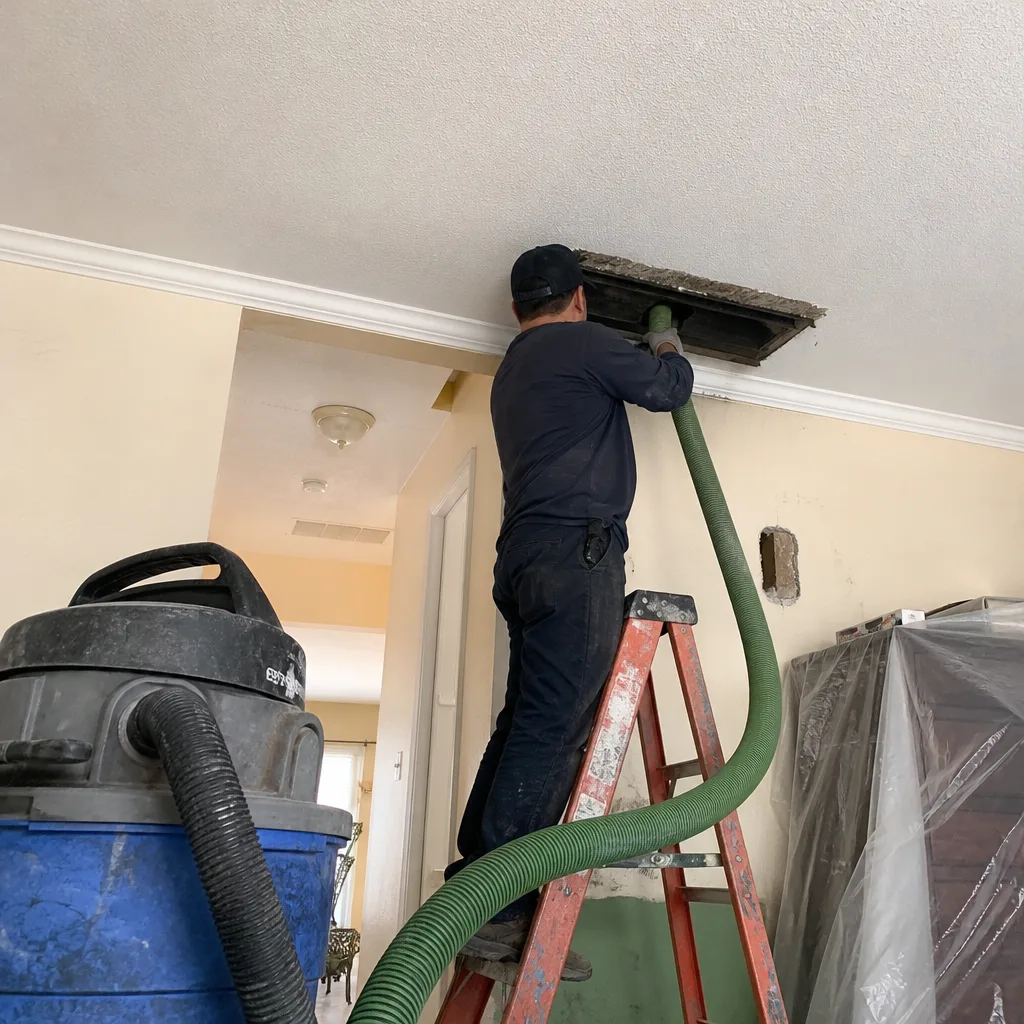 Before
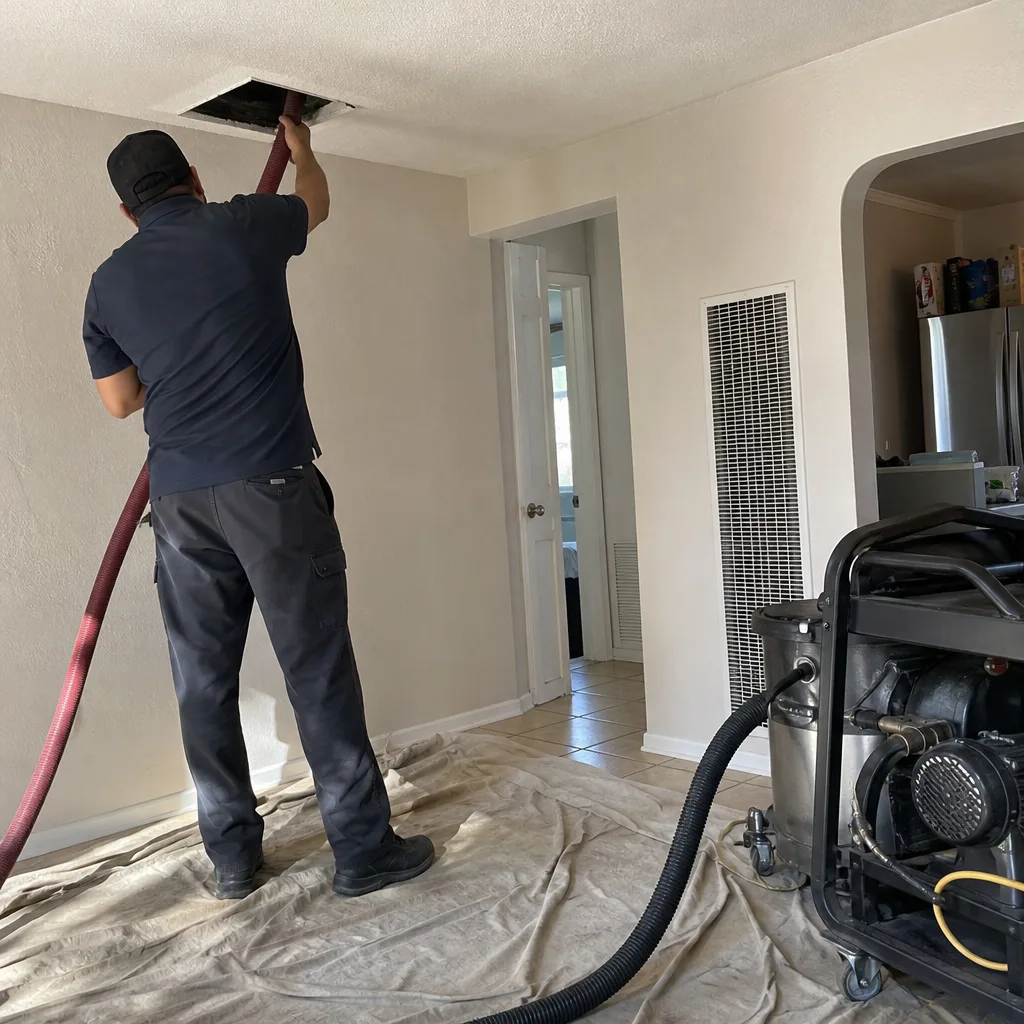 After
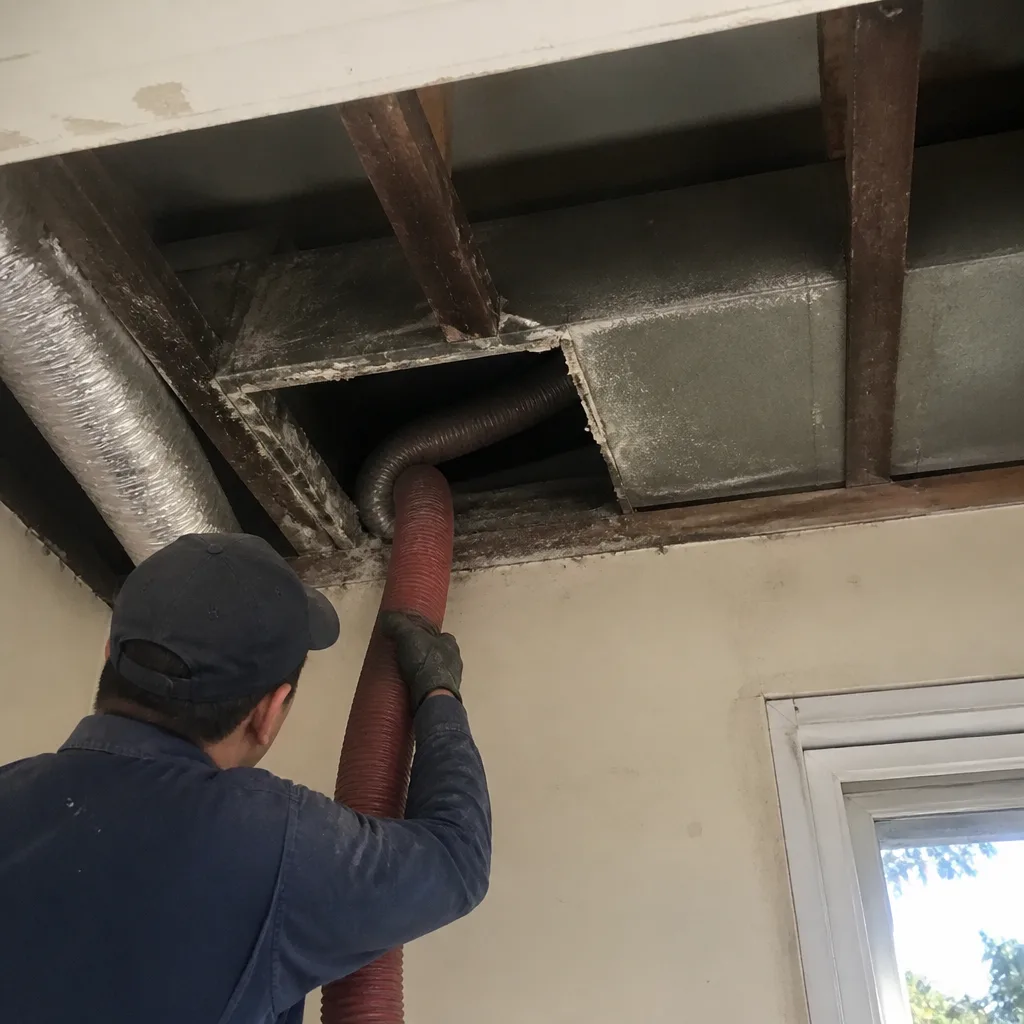 Before
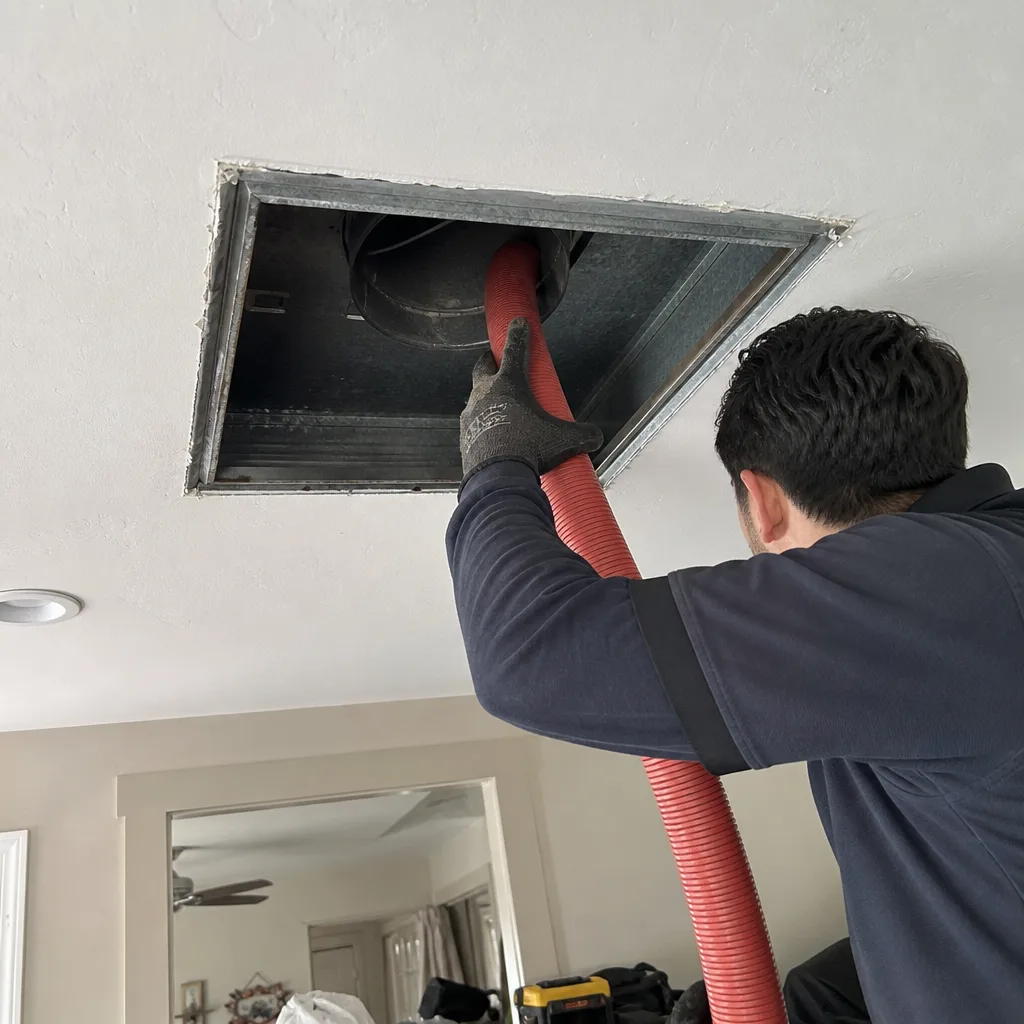 After
 Before
 After