
Last updated November 2, 2026
 Whole-home duct cleaning
 Dryer vent cleaning
 Camera inspection
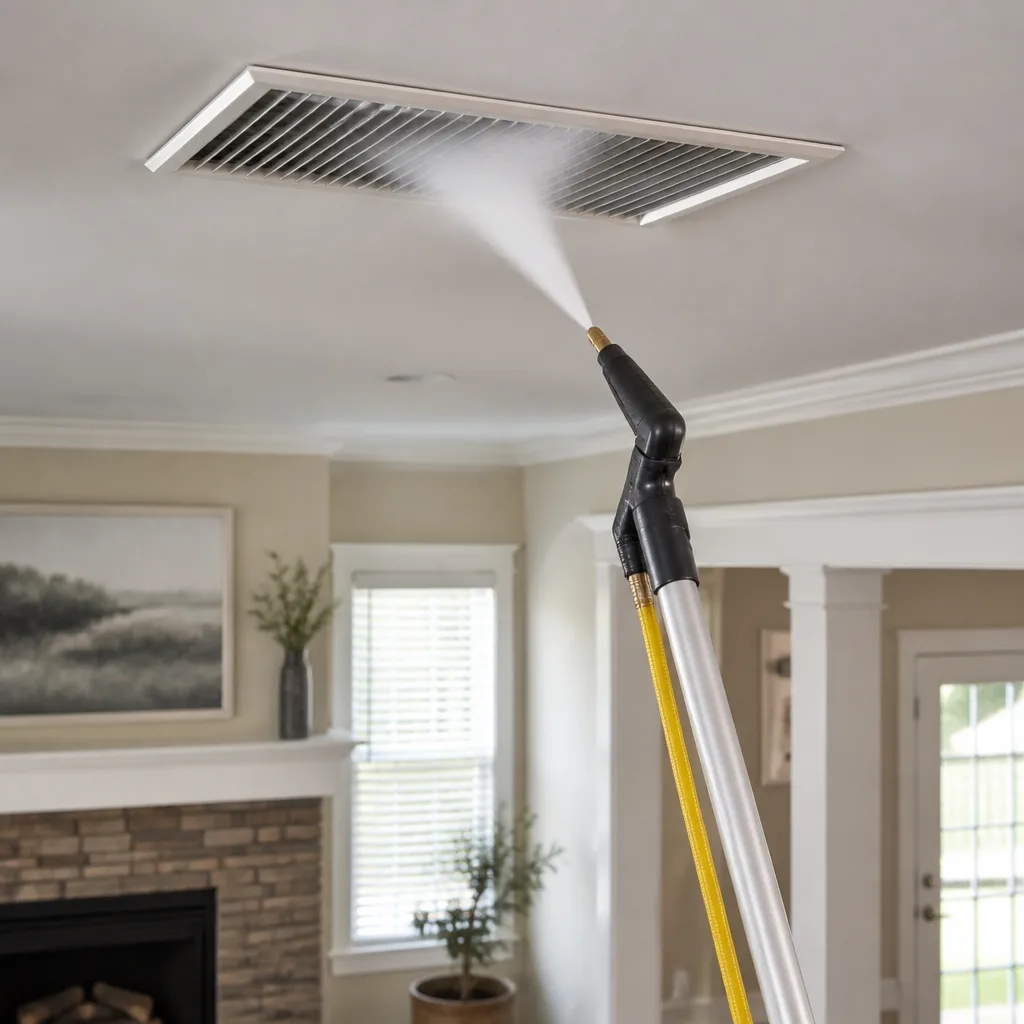 Sanitizing & deodorizing
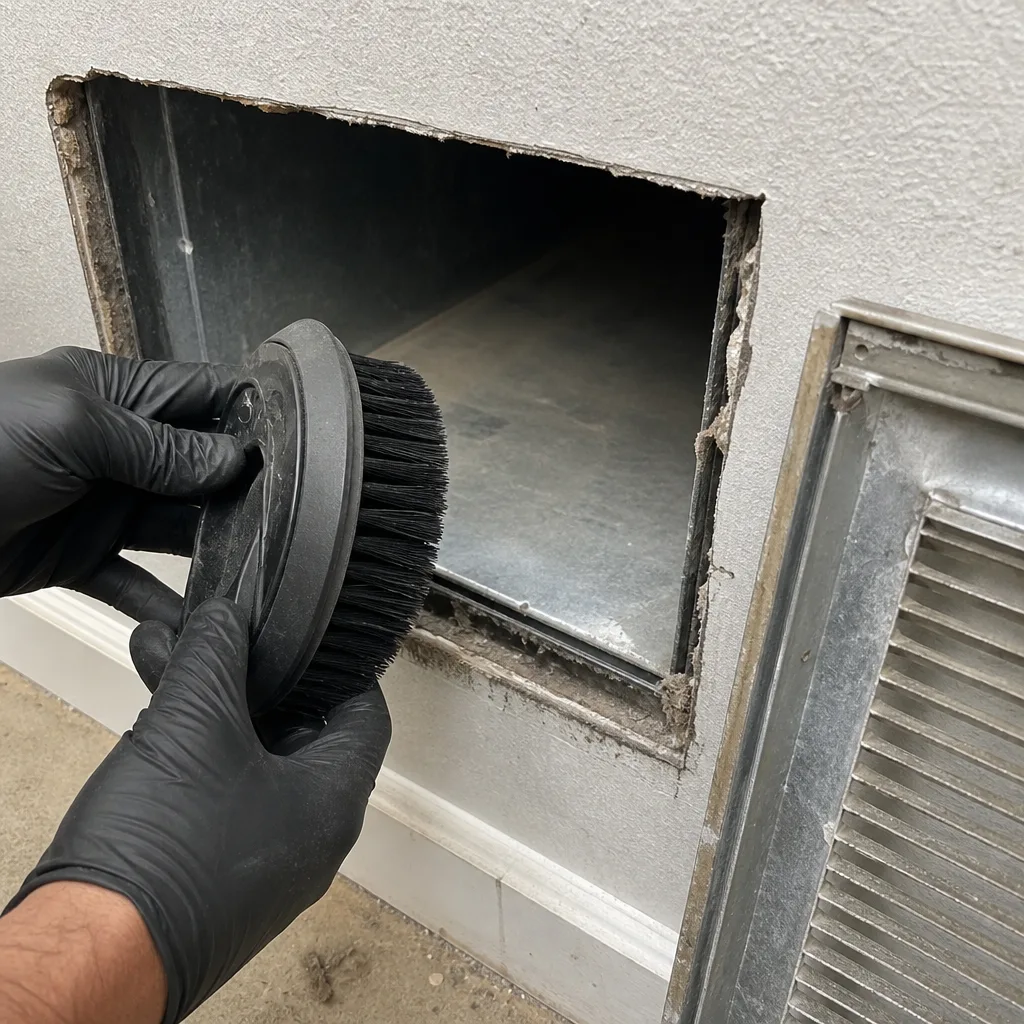
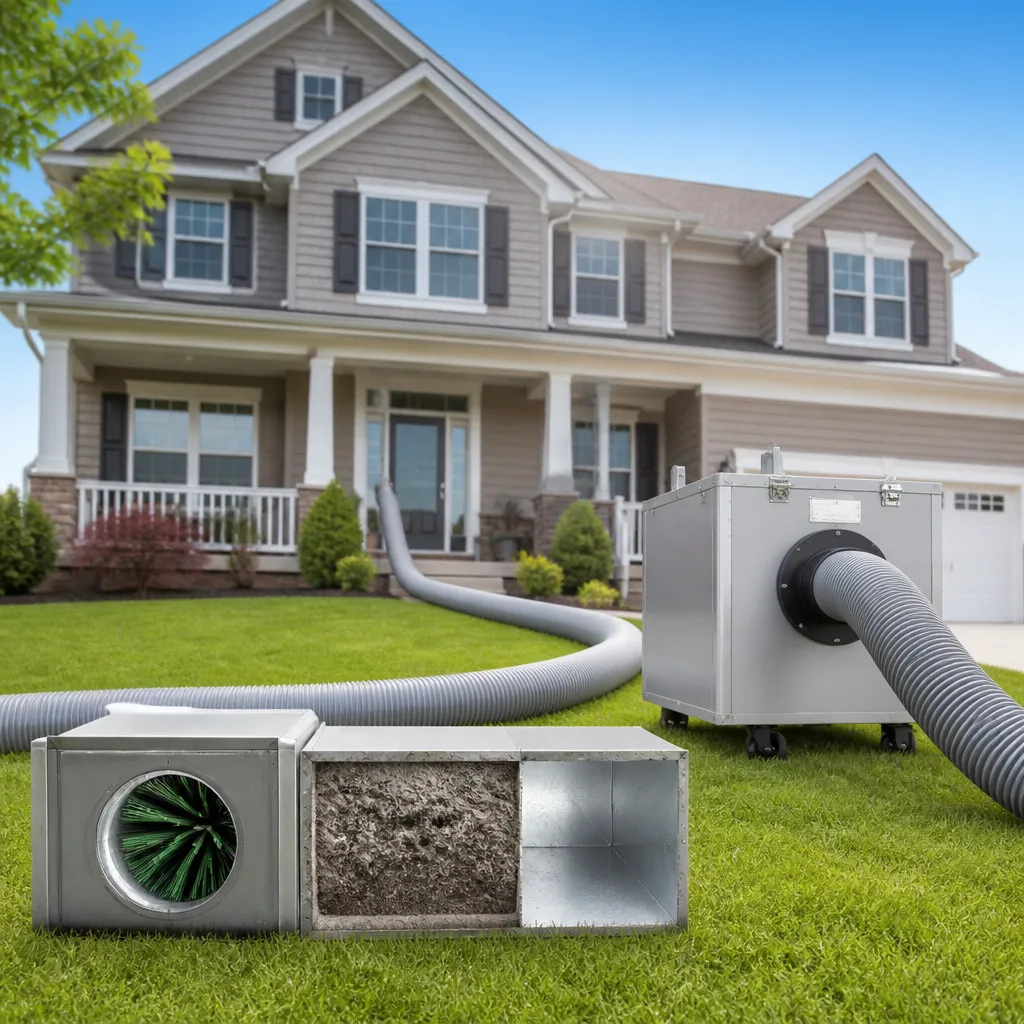
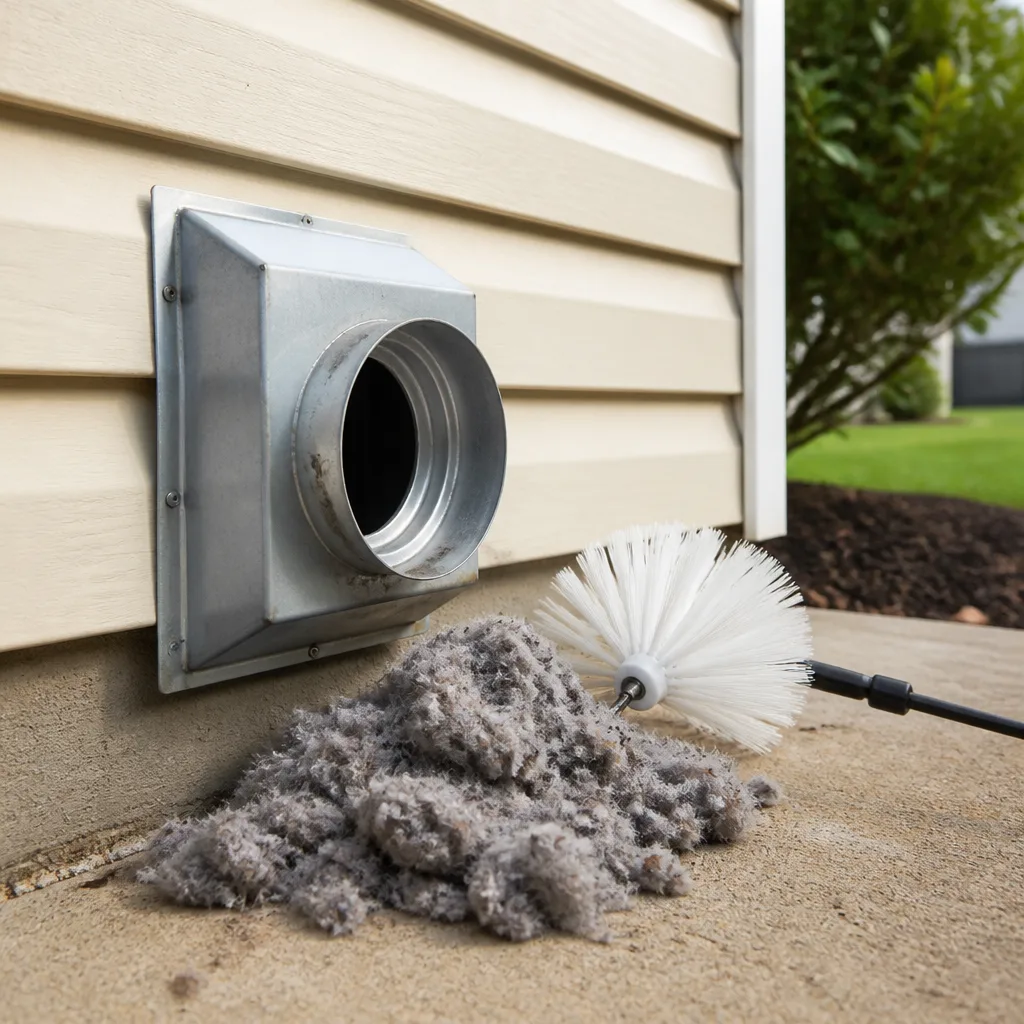
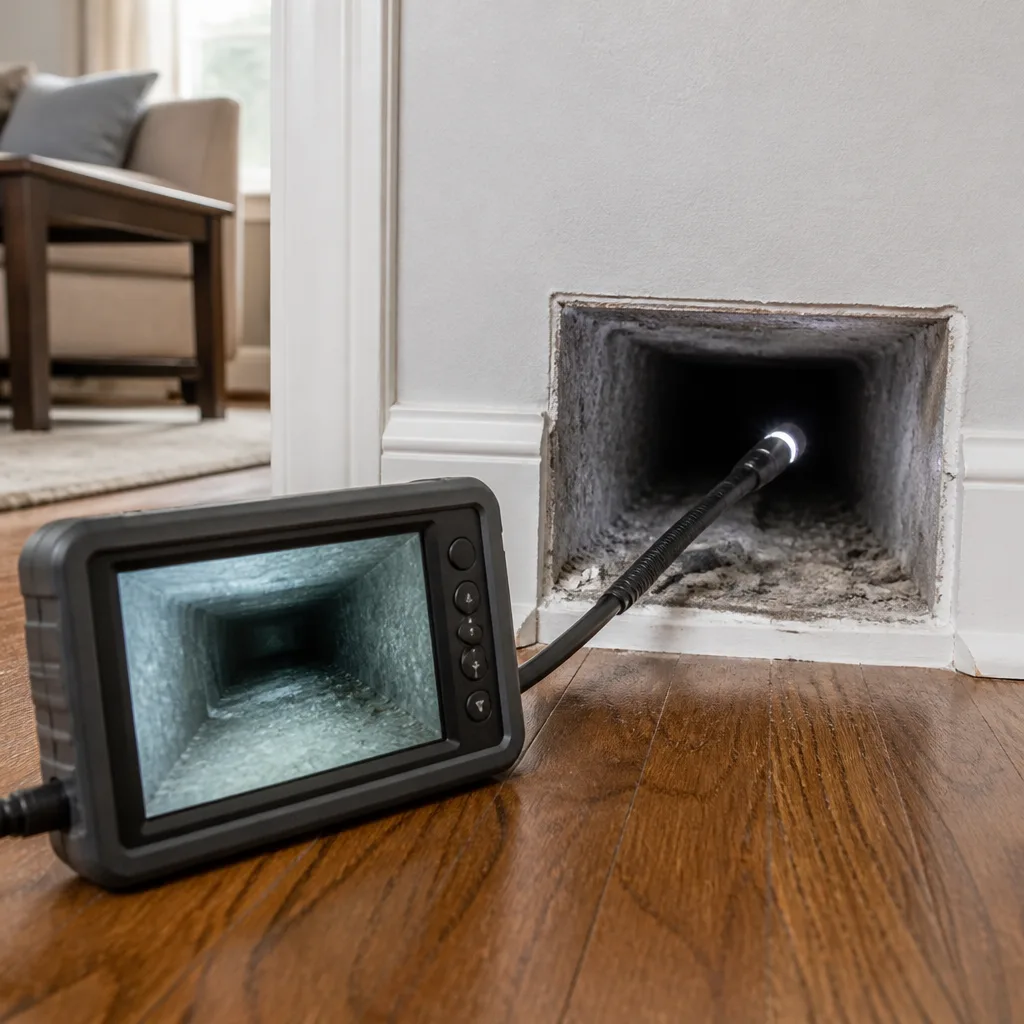
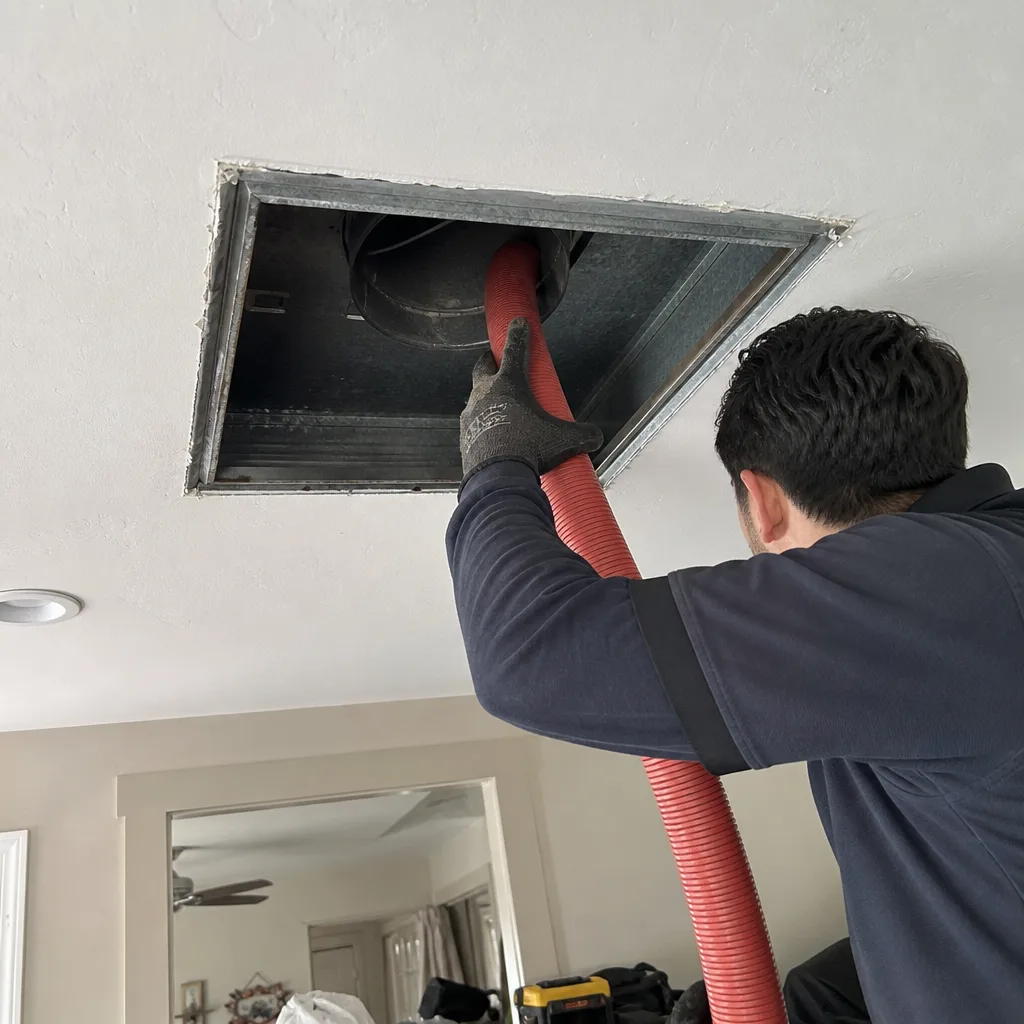
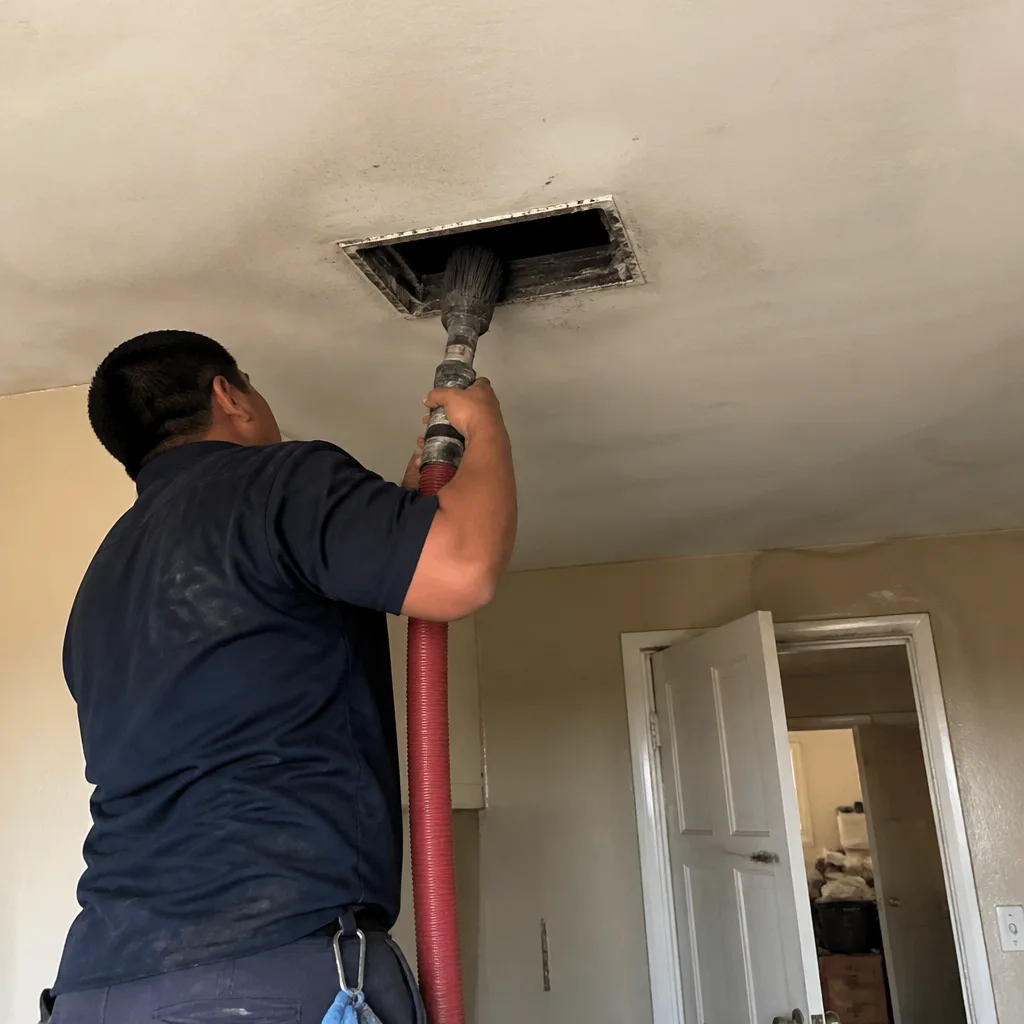
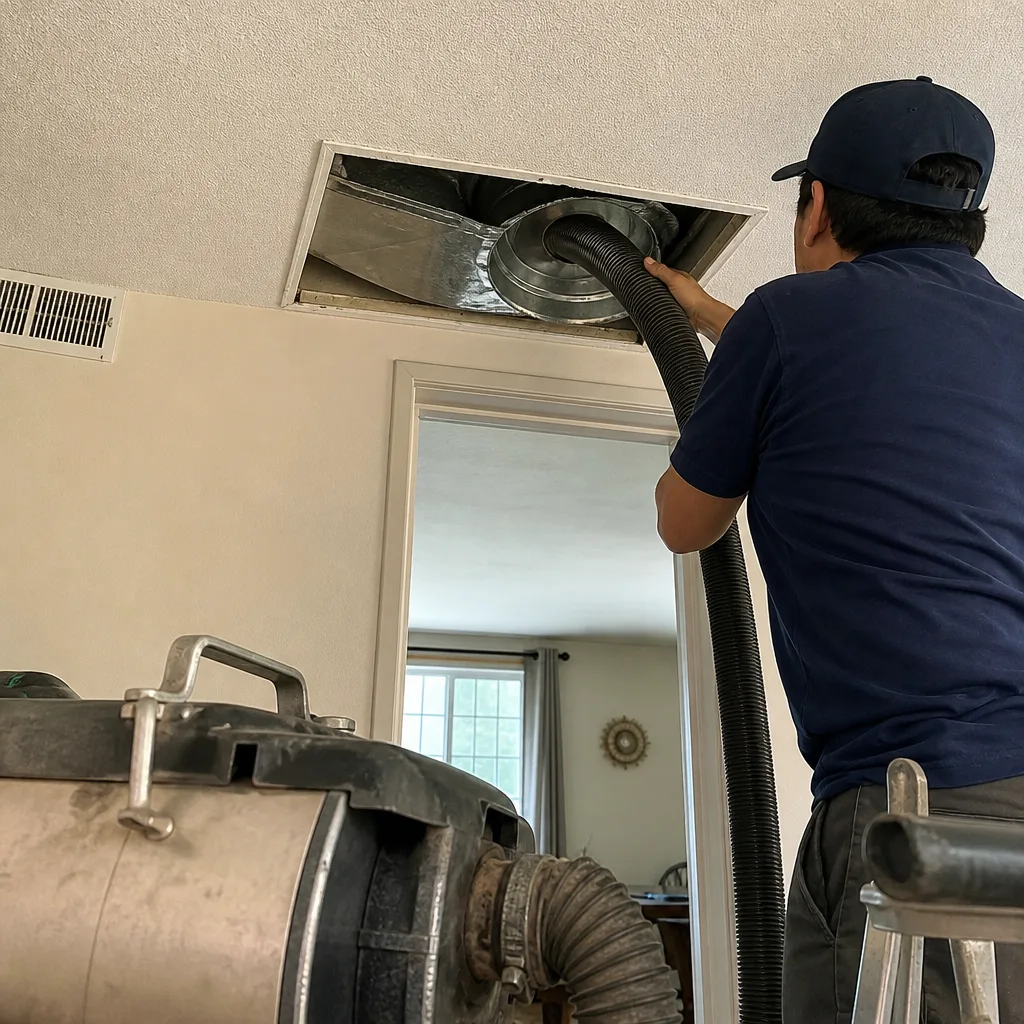
Whole-system duct and dryer vent check with before-and-after photos - you see exactly what came out of your vents
That "$99 whole-house special" is a bait ad - the real number appears once they are in your hallway, or the "clean" is a shop-vac at the register. We photograph the inside of your ducts before and after instead.
Air Duct Cleaning Troubleshooting: Common Problems and How to Fix Them
If your home still smells musty two weeks after a duct cleaning, the technician almost certainly skipped the drain pan and coil – two sources that re-contaminate a cleaned system within days. That’s not an exaggeration. In Monterey Park, where summer humidity settles into homes built between the 1950s and 1980s, we see this pattern constantly: a homeowner pays for a cleaning, notices the dust returning within a month, and assumes the whole service was a waste. The truth is more specific. Most post-cleaning complaints trace back to one of six identifiable failure points – a disconnected duct joint, a clogged condensate drain, an uncleanable flex-duct section, or a cleaning that never addressed the coil. This guide walks through each problem, how to diagnose it yourself, and when the fix requires more than another pass with a vacuum.
Quick Answer
Air duct cleaning problems almost always fall into six categories: persistent dust (usually a duct leak or disconnected joint), recurring odors (usually a dirty evaporator coil or standing water in the drain pan), uneven room temperatures (usually a crushed or disconnected branch duct), visible debris at the register (usually a missed section or an uncleanable flex run), higher energy bills after cleaning (usually a new air leak), and water around the air handler (usually a clogged condensate line). Each has a specific structural or procedural cause – and each has a fix that’s either a straightforward DIY check or a call to a company that does more than vacuum.
Styles & brands we work with
- Whole-home duct cleaning
- Dryer vent cleaning
- Camera inspection
- Sanitizing & deodorizing
Table of Contents
- Problem 1: My House is Still Dusty After Duct Cleaning
- Problem 2: The Musty Smell Came Back Within Weeks
- Problem 3: Some Rooms Are Always Hotter or Colder Than Others
- Problem 4: I Can See Debris Still Sitting in the Ducts
- Problem 5: My Energy Bills Went Up After the Cleaning
- Problem 6: There’s Water Around the Furnace or Air Handler
- Common Mistakes to Avoid When Troubleshooting Duct Problems
- When to Call a Professional
- Frequently Asked Questions
Problem 1: My House is Still Dusty After Duct Cleaning
Dust returning within weeks of a cleaning is the most common complaint we hear from homeowners who call us after trying another company. The gut reaction is that the technician did a poor job vacuuming. Sometimes that’s true. But more often, the dust isn’t coming from inside the ducts at all – it’s entering through a breach in the ductwork and getting pulled into the airstream by negative pressure.
Here’s what happens. Your return-side ducts draw air from your living spaces back to the furnace. If a return duct has a loose joint, a crack, or a section that’s pulled apart (common in crawlspaces and attics where ducts flex with temperature changes), that gap sucks in unfiltered air from wherever the duct runs. In Monterey Park, that often means dust from attics, insulation fibers, and whatever drifts into crawlspace vents. The furnace filter never sees this air because it enters after the filter. It goes straight into the blower and out your supply registers.
So the cleaning was fine. The system is leaking. And no amount of re-vacuuming will fix a structural gap.
How to Check for a Duct Breach
- Turn on your HVAC fan (not the heat or AC, just the fan from the thermostat).
- Go to each supply register and feel the airflow. Note rooms that feel weak compared to others.
- Go to your attic or crawlspace and follow the ducts as far as visible. Look for sagging sections, joints wrapped in failing tape, or visible gaps where two duct sections should connect.
- With the fan running, hold a tissue near suspected joints. If the tissue flutters or gets pulled toward the joint, you’ve found a leak on the return side.
If you find a gap, the fix is air duct repair, not another cleaning. Loose sections need reconnection and sealing with mastic sealant – not duct tape, which dries out and peels within a few years. This is why we run our Air Duct Repair in Monterey Park service as a standalone offering: a sealing pass is a different job than a cleaning pass, and homeowners shouldn’t have to pay for both when only one is needed.
Other Causes of Persistent Dust
- Dirty evaporator coil: If the coil was never cleaned (more on this below), it continuously sheds particles into the airstream even after ducts are spotless.
- Leaky filter slot: If the furnace filter doesn’t seal tightly in its slot, air bypasses it entirely. Check that the filter sits flush with no gap around the edges.
- Dirty room registers: Wall and floor registers collect dust on their own. Pop them off and rinse them, then vacuum the first foot of the duct behind them.
Problem 2: The Musty Smell Came Back Within Weeks
Musty odors that survive a duct cleaning almost never originate in the ducts themselves. They come from the evaporator coil and the drain pan beneath it. Here’s why that matters: many duct cleaning companies never touch the coil because it sits inside the air handler, not in the ductwork. Their equipment reaches the ducts but passes right by the component that’s actually growing the smell.
The evaporator coil is a cold, dark, damp surface. During Monterey Park’s long cooling season, condensation forms on the coil constantly. That moisture, plus the dust that slips past the filter, creates a biofilm on the coil fins. If the drain pan under the coil doesn’t drain completely – which happens when the condensate line backs up – standing water develops. Standing water plus biofilm plus warmth equals the musty smell that returns two weeks after the ducts were cleaned.
We’ve had customers in Monterey Park tell us they paid for three cleanings in three years, each time hoping the smell would stay gone. The duct work was clean every time. The coil was never touched. That’s not a cleaning failure by the homeowner; it’s a scope-of-work failure by the cleaning company.
What to Check
- Locate your air handler (the indoor unit). It’s often in a closet, garage, or attic.
- Look for an access panel. Behind it, you should see the coil and a pan underneath.
- Check the pan for standing water. If water sits there days after the AC last ran, the drain is clogged.
- Smell near the coil. If the musty odor concentrates there, the coil is your source.
Coil cleaning is part of a proper whole-system service. When we use professional Rotobrush and Nikro equipment, the goal isn’t just vacuuming duct walls – it’s addressing the entire airstream, including the surfaces that generate odor. If a company’s quote doesn’t mention the coil, ask them directly whether they clean it. If they hesitate, that’s your answer.
Problem 3: Some Rooms Are Always Hotter or Colder Than Others
Uneven room temperatures are the most reliable signal of a duct problem that cleaning alone cannot solve. If one bedroom is always five degrees warmer than the rest of the house, the issue is usually air volume, not air cleanliness. Somewhere between the furnace and that room’s register, the duct run is restricted or disconnected.
Common culprits, in order of frequency we see in Monterey Park homes:
- Crushed flex duct: Flexible ducts sag over time. In attics, they get pinched under boxes, insulation, or their own weight. A crushed flex duct can cut airflow to a room by 50% or more.
- Disconnected branch duct: The small ducts that branch off the main trunk sometimes pull loose at the takeoff collar. The air blows into the attic or crawlspace instead of the room.
- Closed or damaged dampers: Many systems have manual dampers on branch lines. If one got closed during a repair and never reopened, that room starves for air.
- Undersized duct runs: This is the least common but most stubborn cause. Some homes were built with ducts that were too small for the rooms they serve. Cleaning won’t fix this. Only resizing or rebalancing will.
- Close all doors and windows.
- Turn the HVAC fan on (not heat or AC).
- Hold a sheet of paper flat against each supply register. It should hold firmly if airflow is good.
- Compare the paper’s pull in the problem room vs. a room that feels comfortable. If the paper barely stays up in the problem room, the duct run serving that room is restricted or leaking.
- Go into the attic or crawlspace and trace that room’s duct run from the main trunk to the register. Look for kinks, sags, gaps, or disconnections.
- Photograph the debris with your phone. Shots through the register with a flashlight work fine.
- Call the company that did the work. Show them the photos. Ask if they can return to address that section.
- Ask what equipment they used and whether it reached that specific duct segment. Long flex runs with multiple bends are harder to clean with standard brushes.
- If the answer is that the ducts are “uncleanable” in places, ask for specifics. A competent company will show you where and why. A defensive one will dodge the question.
- Compare your bills from the same month last year, adjusting for weather. A 10% jump with no other variable is worth investigating.
- Go into the attic on a day when the AC is running. Feel around accessible duct joints. Air leaks feel cool and damp on the supply side, warm on the return side.
- Check any access holes that were cut for cleaning equipment. Look for a metal patch that’s been screwed and sealed, not just taped.
- If you find a gap or a loose patch, call a company that handles Air Duct Repair in Monterey Park and ask for a mastic sealing pass. Proper mastic never dries out or peels the way tape does.
- Turn off the system at the thermostat and the breaker.
- Locate the drain line (the PVC pipe leaving the air handler).
- Check the drain pan for standing water and rust. If the pan is rusted through, it needs replacement.
- If the line is clogged, use a wet/dry vacuum at the drain outlet outside to pull the blockage out. This is a temporary fix.
- If water returns within days, the blockage is further up the line or the line is improperly pitched.
- Calling the same company back without documenting the problem. Take photos, note dates, and write down what you saw and when. A paper trail changes how seriously a company treats your call. Without it, you’re easy to dismiss.
- Paying for a second cleaning before fixing a structural issue. If the first cleaning didn’t solve the problem, ask what was actually cleaned and what wasn’t. A second vacuum pass over ducts that are already clean is wasted money. Fix the leak or the coil first.
- Using duct tape to seal a duct joint. Duct tape is not for ducts. It dries, cracks, and peels within a few summers in Monterey Park’s attic heat. Mastic sealant or foil-back tape made for HVAC (UL-listed) is the correct material.
- Ignoring the filter slot gap. A filter that doesn’t seal lets dirty air bypass it entirely. This makes every other effort pointless. Check the fit, and upgrade to a properly sized filter carrier if needed.
- Assuming all smells come from ducts. Most musty smells come from the coil, the drain pan, or standing water somewhere in the system. If you don’t address the source, no amount of duct cleaning will fix it.
- Confusing flex duct shedding with dirt. If your flex ducts are 25+ years old and the liner is breaking down, visible debris may be the duct itself flaking. Cleaning can’t fix that. Replacement can.
- Accepting “that’s normal” as an answer. Persistent dust after a cleaning is not normal. Weak airflow in one room is not normal. Water around the air handler is not normal. If a company tells you it is, get a second opinion.
The Pressure Test Any Homeowner Can Do
You don’t need special tools to identify which duct segment is the problem. You need a piece of paper and ten minutes.
If you find a disconnected or crushed section, that’s an Air Duct Repair in Monterey Park situation – not a cleaning issue. We’ve repaired ducts in Monterey Park where a single disconnected branch was responsible for a bedroom being uninhabitable in August. The fix took under an hour. The homeowner had been living with it for years.
Problem 4: I Can See Debris Still Sitting in the Ducts
If you look into a register with a flashlight and see visible debris after a cleaning, you have one of three situations. Either the technician missed a section (poor workmanship), the debris is too heavy for air sweeping to dislodge (unrealistic expectation of what cleaning can do), or the duct material itself is degrading (flex duct liner breaking down).
Let’s be straight about what duct cleaning can and cannot remove. Professional equipment like the Rotobrush system agitates and vacuums loose dust, hair, pet dander, and light construction debris. It cannot remove hardened contaminants that have adhered to duct walls over decades, and it cannot repair liner that’s flaking apart. If your home has original flex ducts from the 1980s, the inner liner may be shedding plastic or fiberglass particles that look like dirt but are actually the duct material itself. Cleaning those ducts won’t stop the shedding. Replacement is the only fix.
What to Do If You See Debris After a Cleaning
Sometimes the debris is residual from the cleaning process itself – dust that got dislodged near the end and settled before the vacuum captured it. A reputable company will return and finish the job. A discount company will tell you it’s normal. It’s not.
Problem 5: My Energy Bills Went Up After the Cleaning
This one sounds paradoxical – how could cleaning ducts make your energy use worse? But it happens, and it’s usually connected to a new air leak that either existed before the cleaning and got exposed, or was created during the cleaning process, or simply became noticeable because the system was disturbed.
Here’s the sequence we see. A cleaning company runs a rotating brush through your ducts. Some of those ducts are old, with joints sealed by tape that’s been brittle for years. The agitation from the brush or the pressure from the vacuum can pop loose a joint that was barely holding on. Now you have a gap you didn’t have before. Conditioned air escapes into the attic. The system runs longer to hit the same thermostat setting. Your bill climbs.
Another possibility: the technician removed or damaged a damper while cleaning, changing the airflow balance. Or the access hole they cut into the main trunk wasn’t sealed properly afterward.
How to Check
In our experience at Duct Cleaning Monterey Park, this is exactly why the cleaning and repair services can’t be separate afterthoughts. If you run a brush through aging ducts, you’d better be prepared to seal what you disturb. We repair what we find – and that includes joints that come loose during the cleaning itself.
Problem 6: There’s Water Around the Furnace or Air Handler
Water pooling around your indoor unit is a condensate drainage problem, not a duct problem – but it often gets discovered right after a duct cleaning because the homeowner is paying attention to the system for the first time. The cleaning didn’t cause it. You just finally noticed it.
The drain pan under your evaporator coil catches condensation and sends it through a PVC pipe to a floor drain, outside, or into a condensate pump. Over time, that pipe clogs with algae, mold, and dust that makes it past the filter. When it clogs, the pan overflows. Water ends up on the floor, or the pan rusts through and leaks.
In Monterey Park’s climate, AC units run from May through October, sometimes longer. That’s six months of continuous condensation. A drain line that was mostly clear in March can be completely blocked by July. And a blocked drain line means standing water in the pan – the same standing water that feeds the musty odor discussed earlier.
What to Do
A technician who cleans the duct system should also inspect and clear the condensate line as part of the job. That’s what a whole-system service means. If your previous cleaning company never mentioned the drain line, they were doing half the job. Duct Cleaning Monterey Park home page lays out what a full-scope service actually includes – and drain line attention is part of it.
Common Mistakes to Avoid When Troubleshooting Duct Problems
When to Call a Professional
You should call a professional when you’ve confirmed a duct breach you can’t safely reach, when airflow is severely restricted and you can’t identify the cause, when water is pooling repeatedly around the air handler, or when visible debris remains after a cleaning and the company won’t return your calls. You should also call before you make any repair attempt that involves working in a hot attic with exposed electrical wiring, or anywhere you’d need to disturb gas lines or structural components. Duct Cleaning Monterey Park offers free estimates in Monterey Park – call (866) 413-8552.
Frequently Asked Questions
Air duct cleaning in Monterey Park typically runs between $300 and $600 for a full system, depending on home size, number of registers, and whether the coil and drain pan are included. Homes with multiple HVAC systems or extensive flex duct runs fall higher. Be wary of quotes under $200 – they usually exclude the coil, the blower, or the return plenum, which are the exact components where problems persist. Call (866) 413-8552 for an exact quote – estimates are free.
Cheap duct cleaning quotes usually cover fewer surfaces. A $99 special often means vacuuming only the supply ducts – no return side, no coil, no blower, no drain line. That leaves the most contaminated components untouched. Compare what’s included before comparing price. If a quote doesn’t mention the evaporator coil or the return plenum, it’s not the same service as a full-system cleaning.
Ask for before-and-after photos of your own ducts, not stock images. Any company using professional Rotobrush or Nikro equipment can capture interior duct photos through access points. You should see the same duct segment before and after – visibly cleaner. If a company can’t show you what they did, you have no way to verify it. We provide before-and-after documentation on every job in Monterey Park.
For most Monterey Park homes, every 3 to 5 years is appropriate. Homes with pets, recent remodeling, or smokers may benefit from every 2 to 3 years. Homes with upgraded filtration from Honeywell or Aprilaire may stretch longer because less debris reaches the ducts in the first place. If you’re noticing dust settling within days of cleaning, the frequency isn’t the problem – a leak or breach is.
Dirty ducts can recirculate allergens like dust mites, pet dander, and pollen through your living spaces, which may aggravate allergy symptoms. However, the bigger issue is usually the filter and the coil. A high-efficiency filter from Honeywell or Aprilaire, combined with a clean coil and properly sealed ducts, does more for air quality than duct cleaning alone. We take a whole-system approach so you’re not paying for a service that misses the source.
NADCA (the National Air Duct Cleaners Association) recommends documenting the problem with photos and written descriptions, contacting the company in writing with a specific resolution request, and escalating to NADCA’s complaint process if the company is a NADCA member and won’t respond. NADCA’s complaint form is on their website, and they review complaints about member companies for code of ethics violations. If the company you hired isn’t a NADCA member, your recourse is through your state’s contractor licensing board or small claims court.
The Bottom Line
Most air duct cleaning “failures” are actually diagnostic failures. The homeowner paid for a cleaning when what they needed was a repair, a coil cleaning, a drain line clearing, or a replacement of degraded flex duct. A company that only vacuums and leaves will keep taking your money while the underlying problem persists. Air Duct Cleaning in Monterey Park should include the whole airstream, not just the duct walls. And when the problem is structural, Dryer Vent Cleaning in Monterey Park is a related but separate safety service that addresses a leading fire cause. One call covers the full system: clean ducts, sealed ducts, safe vents. Call (866) 413-8552 for a free estimate.
Written by the team at Duct Cleaning Monterey Park, serving Monterey Park since 2013.
See the difference
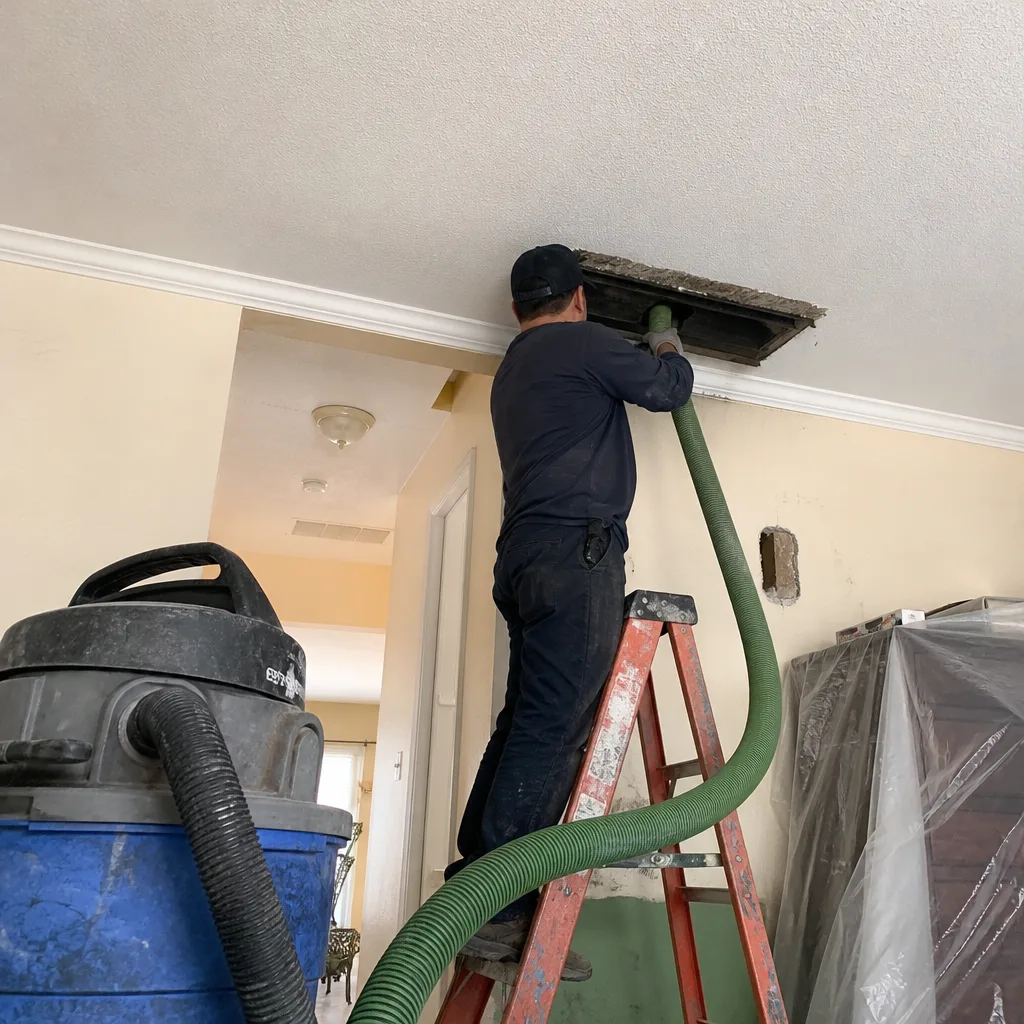 Before
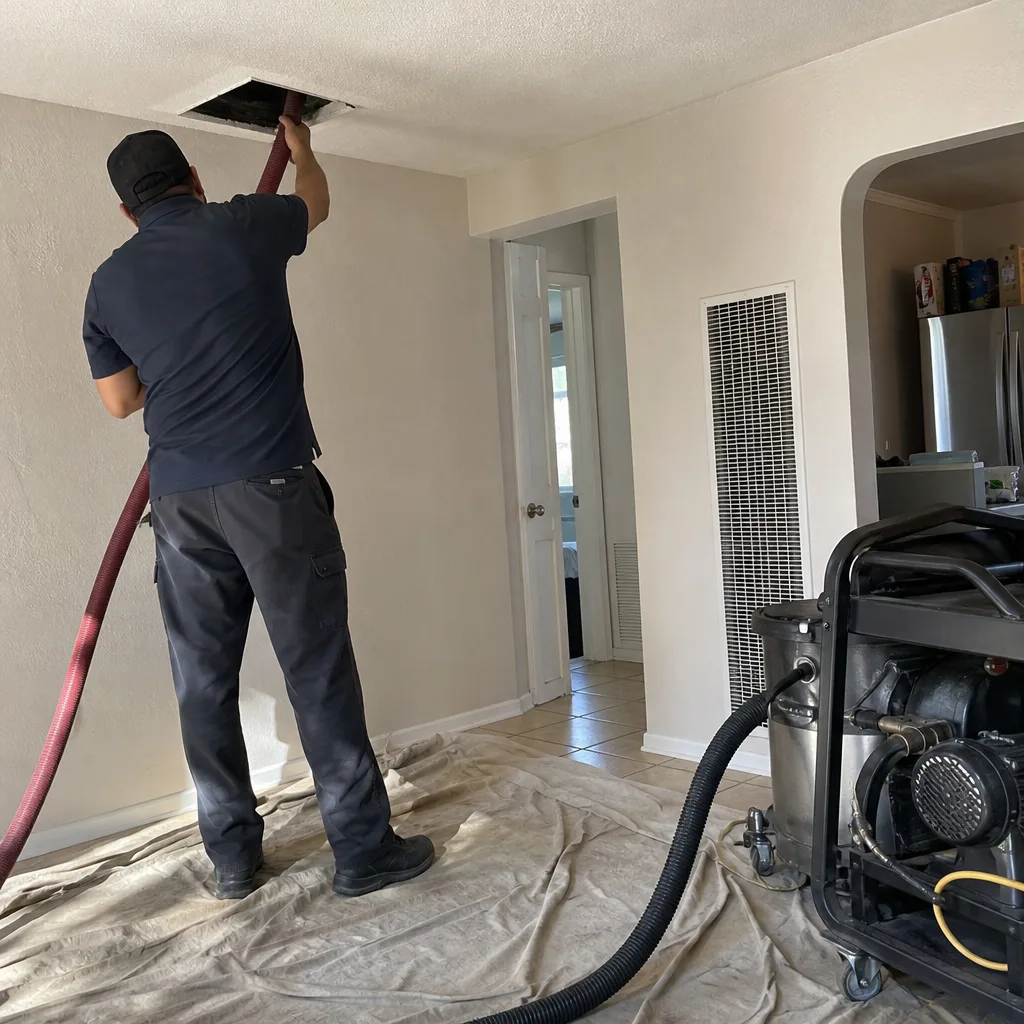 After
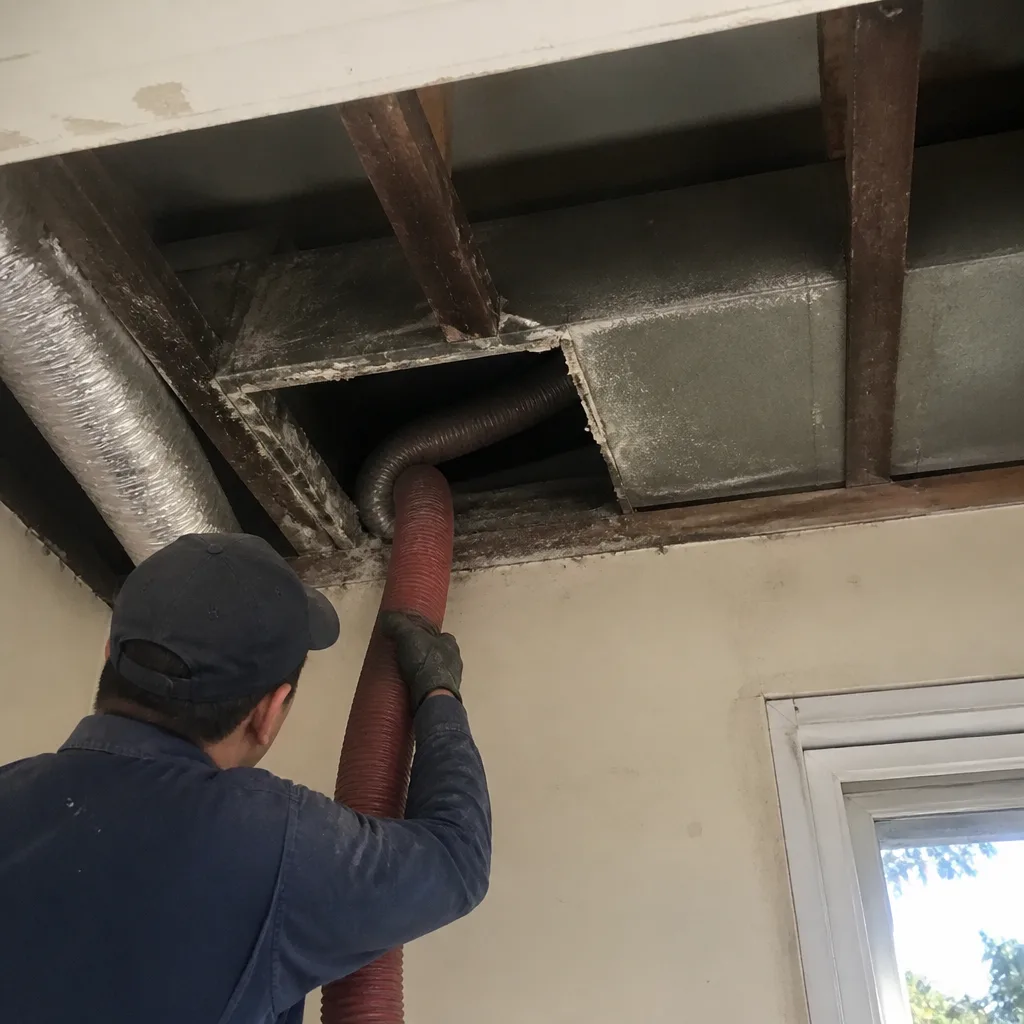 Before
 After
 Before
 After